外出就餐时饮食要聪明
(文件下载)
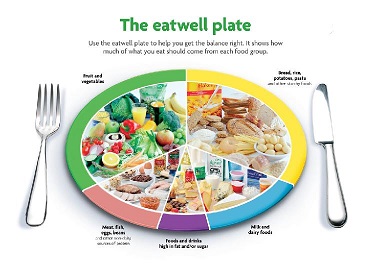
1)跳过面包和薯条。如果您想吃炸玉米饼和莎莎酱,可以换些黄瓜或蔬菜。如果有要求,大多数餐馆都会带这个。
2)进行修改:仅仅因为它不在菜单上并不意味着您不能订购它。例如,您可以订购素食(蔬菜最多),然后要求添加烤鸡胸肉或野生鲑鱼或草食肉。
3)问服务员如何烹饪或准备食物:使用什么油?蔬菜有蒸,烤箱烤等吗?
4)任何三明治面包或汉堡面包或玉米饼都可以换成生菜床或生菜包。
5)要求第二盘。这有助于从原始餐厅大小的盘子中分配适量。
6)如果对调味料成分有疑问,请在侧面询问橄榄油和香脂。
7)跳过面包丁,干果和奶酪放在沙拉上。
8)始终在侧面订购调味料和调味料。看看这篇关于令人惊讶的隐藏糖的文章。
9)看边的选择。通常,餐馆会让您将薯条换成沙拉或水果。即使未将其列为选项,有些餐馆也会让您订购炒蔬菜。
10)如果观看钠盐,则应远离大多数汤汁,因为大多数汤汁中都含有钠。有些汤将添加面粉和糖,因此需要营养信息。基于汤的汤比基于奶油的汤更健康。
11)在前往餐厅之前,请先检查餐厅网站上的营养和菜单,以便您计划要点的菜。
12)坚持用水作为您选择的饮料。如果您想要更刺激的东西,请订购无味的苏打水。大多数餐厅都切成薄片的酸橙和柠檬。
13)远离快餐店:如果您确实在这里,请点一份不含面包的汉堡。提防沙拉酱,因为快餐店的沙拉往往仅从沙拉酱中摄入热量,钠和糖分最高。
14)地铁可能看起来更健康,但事实并非如此。 Chipotle将拥有比地铁更好的肉质。熟食肉中富含硝酸盐和糖。
15)不要害怕向服务员询问饮食限制。如果要求,厨师可以并且将不加盐或某些油或成分地烹饪。
16)如果要订购披萨,请选择自己动手制作披萨的餐厅。只要求一点红酱或橄榄油或香蒜酱。您可以添加很多新鲜的番茄来弥补少量的酱汁。选择大部分蔬菜,远离意大利辣香肠和加拿大熏肉(和其他加工肉类)。询问他们是否有花椰菜或无麸质皮选择。最好的选择是半沙拉和迷你比萨饼。或与朋友分割比萨饼和沙拉。他们有许多不同的奶酪选择,最好的选择是山羊奶酪或羊乳酪(羊奶酪),如果您绝对必须要奶酪,只需要一点奶酪和一些意大利乳清干酪(意大利乳清干酪通常是由羊或山羊制成的)。如果您喜欢沙丁鱼,这是添加到比萨饼或沙拉中的欧米茄3肉很好的选择。
17)选择一个浅色的餐厅。通常,红色和橙色的餐厅是快餐店,这些颜色很刺激,使您更有可能点菜和进食。选择颜色较冷的餐厅,例如蓝色或绿色,并注意氛围和音乐。
18)进餐时先食用沙拉和蔬菜。补充纤维将使您饱饱,并且不太可能过度食用。
19)您可以加倍吃开胃菜,也可以订购几面来代替主菜。
20)您总是可以要求多一份蔬菜。
21)烤,烤,烤箱烤或烤比油炸,腌制或裹面包屑更好。
22)如果您确实选择了比主意少的调味料或调味料。将其放在一边,然后使用浸叉法。在叉子上放上生菜和蔬菜之前,将叉子轻轻浸入敷料中。这样一来,您就可以稍微尝些调味料,而又不会太味。
23)如果担心钠盐,可以服用肉皮,因为大多数调味料都在皮肤上。
24)服务员首先把水拿出来,然后再开始用餐。这将帮助您减少食物消耗,使您能够更好地判断饥饿程度,避免暴饮暴食。
跳过甜点或得到一个小甜点以与整个桌子共享。26)在甜点或酒精饮料之间挑选。不是都!
27)练习将叉子放在叮咬之间,并与朋友交谈。这将帮助您减慢饮食速度并咀嚼食物。享受你的食物!
28)Chipotle是一间受欢迎的餐厅,因此该餐厅的游戏计划如下:
一个。订购生菜碗–碗的主要成分是生菜
b。接下来,您可以添加一勺豆子或一勺糙米,蔬菜,莎莎酱,鳄梨调味酱,如果您选择蛋白质,则可以选择鸡肉或牛排(肉酱腌制得更多,钠含量也更高。仍然是不错的选择,但是不是最好的)。远离sofritas和barbacoa。巴巴科糖的含量较高,因为它是用烧烤酱烹饪的,而苏打巴是由转基因大豆制品制成的。
C。跳过奶酪和酸奶油以及薯片,苏打水和油条。
d。这种碗式方法也可以在Wahoo上应用。对于大多数饭碗,饭店总是愿意添加更多的蔬菜或生菜代替大米。
29)在寿司店订购生鱼片,因为它没有米饭,只有海藻包裹的鱼。
一个。通常,在寿司餐厅,大米是主要的食用成分。b。避免食用任何油炸和裹面包屑的鱼。
C。避免使用假蟹。它的碳水化合物填充剂含量很高,而比理想的染料和填充剂还少。询问厨师该卷是否带有真正的螃蟹,因为很多时候寿司厨师都不会在螃蟹卷上贴上“假”或“仿制”字样,所以菜单可能只会显示“ krab”而不是“ crab”。
d。其他好的选择包括:味o汤,鸡肉或牛肉照烧(不加酱料),毛豆,烤鸡肉串,黄瓜或酱油纸卷,限制甜酱。
Eating Smart While Eating Out:
1) Skip
the bread and chips. If you want the guac and salsa, ask for some cucumber or
veggies as a side instead; most restaurants will bring this if asked.
2) Make
modifications: just because it is not on the menu does not mean you cannot
order it. For example, you can order the vegetarian option (will have the most
vegetables) then ask to add a grilled chicken breast or wild caught salmon or
grass-fed meats.
3) Ask
the waiter how something is cooked or prepared: what oils are used? Are the
vegetables steamed, oven roasted etc?
4) Any
sandwich bread or burger bun or tortilla can be swapped for a bed of lettuce or
a lettuce wrap.
5) Ask
for a second plate. This helps with portioning the right amount from your
original restaurant sized plate.
6) When
in doubt about dressing ingredients ask for olive oil and balsamic on the side
instead.
7) Skip
the croutons, dried fruit, and cheese on salads.
8) Always
order dressing and sauces on the side. Check out this article on
surprising hidden sugars.
9) Look
at the options of sides. Usually restaurants will let you swap out fries for a
side salad or a side of fruit. Some restaurants will let you order sautéed
vegetables even if it is not listed as an option.
10) Stay away from most soups if
watching sodium since most soups are heavy with sodium. Some soups will have
flour added and sugars so ask for nutrition information. Broth based soups will
be a healthier option than the creamy based soups.
11) Check the nutrition and menu
on the restaurant’s website before going so you have a plan of what you will
order.
12) Stick to water as your
beverage of choice. If you want something more exciting order unflavored
sparkling water. Most restaurants have sliced limes and lemons.
13) Stay away from fast food
venues: if you do find yourself here, order your burger without the bun. Watch
out for the salad dressings, since salads at fast food restaurants tend to be
the highest in calories, sodium and sugars from the dressings alone.
14) Subway may look like a
healthier choice, but it is not. Chipotle will have better quality meat than
subway. Deli meats are loaded with nitrates and sugars.
15) Don’t be afraid to ask the
waiter about dietary restrictions. The chef can and will cook without salt or
certain oils or ingredients if asked.
16) If ordering pizza pick a
build-your-own-pizza type of restaurant. Ask for only a little red sauce or
olive oil or pesto base. You can add lots of fresh tomatoes to make up for the
light amount of sauce. Pick mostly veggies and stay away from the pepperoni and
Canadian bacon (and other processed meats). Ask if they have a cauliflower or
gluten free crust option. Best choice is to get a half salad and mini pizza. Or
split a pizza and salad with a friend. They have many different cheese options
the best is to go for goat cheese or feta (sheep cheese), if you absolutely
must have cheese ask for just a little mozzarella and a little ricotta (ricotta
is usually made from sheep or goat). If you like sardines this is a good omega
3 meat option to add to your pizza or salad.
17) Pick a restaurant with light
colors. Typically, restaurants with red and orange colors are fast food
restaurants and these colors are stimulating and make you more likely to order
and eat more. Pick restaurants with softer cooler colors like blue or green and
pay attention to the ambiance and music.
18) When eating your meal consume
salad and the vegetables first. Filling up on fiber will make you full and less
likely to overconsume.
19) You can double up on
appetizers or order a couple of sides instead of a main entrée.
20) You can always ask for an
extra portion of vegetables.
21) Grilled, baked, oven roasted
or broiled are better than deep fried, marinated or breaded.
22) If you do choose a less than
idea dressing or sauce. Get it on the side and use the dip fork method. Lightly
dip your fork in the dressing before loading up the fork with lettuce and
veggies. That way you get a little taste of the dressing without going
overboard.
23) If worried about sodium you
can take of the skin of meats since most of the seasoning is on the skin.
24) Waiters bring the water out
first try to drink a cup of water before beginning the meal. This will help you
consume less food and you will be better able to judge your level of hunger and
refrain from overeating.
25) Skip the dessert or get one
small dessert to share with the whole table.
26) Pick between a dessert or an
alcoholic beverage. Not both!
27) Practice putting your fork
down between bites and conversing with friends. This will help you eat slower
and chew your food well. Enjoy your food!
28) Chipotle is a popular restaurant
so the game plan for this eatery is as follows:
a. Order
a lettuce bowl – the main base of the bowl is lettuce
b. Next
you can add a scoop of beans or one scoop of brown rice, vegetables, salsa,
guacamole, and if you do choose a protein ask for chicken or steak (the
carnitas are more marinated and higher in sodium. Still a good choice, but not
the best). Stay away from the sofritas and barbacoa. The barbacoa is higher in
sugar because it is cooked in bbq sauce and the sofritas are made from GMO
soy-based products.
c. Skip
the cheese and sour cream as well as chips, soda, and churros.
d. This
bowl method can be applied at Wahoo’s too. For most rice bowls, restaurants are
always accommodating in adding more vegetables or lettuce in place of the rice.
29) When at sushi restaurants
order sashimi since it has no rice, but just the fish wrapped in seaweed.
a. Typically,
at sushi restaurants rice is the main ingredient consumed.
b. Any
of the deep fried and breaded fish should be avoided.
c. Avoid
the fake crab. It is very high in carbohydrate fillers and other less than
ideal dyes and fillers. Ask the chef if the roll comes with real crab since
many times sushi chefs don’t label crab rolls with the word “fake” or
“imitation” the menu might just read “krab” instead of “crab”.
d. Other
good options include: miso soup, chicken or beef teriyaki (without the sauce),
edamame, yakitori, cucumber or soy paper rolls, limit sweet sauces.